
"remote coffee origin"
800 article(s) found

The name of Ninety plus90+Kemgin wild ginger flower derives from its unique flavor classification and password classification.
Exchange of professional baristas follow the coffee workshop (Wechat official account cafe_style) Kemgin (wild ginger flower) the origin of the name: coffee from Nekempte (Nakentup town) in western Ethiopia, it is characterized by lively and clean, with slight flavors of fruit, citrus and ginger. The Kem in the name of Kemgin is quoted from the Nakentep region, and Gin is Ginger (
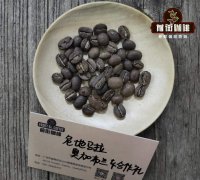
Flavor characteristics of bourbon coffee beans with Vivetna fruit water in Guatemala eight major coffee producing areas in Guatemala
In most cases Guatemala has a well-functioning network of producers. Although infrastructure is still generally lacking (there is no national post office), coffee farmers are surprisingly well connected. This is largely due to the efforts of Anacaf (Asociacin Nacional del Caf), a trade group that supports coffee growers. Anacaf builds the brand of eight planting areas: aka

"Coffee Triangle"-Walking and tasting: coffee Town in Colombia
The famous Coffee Triangle (coffee triangle) in southwestern Colombia has led to a popular tourist route, becoming an alternative to luxury resorts and streamlined plantation tours. And the Sierra Nevada route is a journey through the past and the present, allowing visitors to get a glimpse of the past and taste the upcoming Colombian coffee. In the remote

The production of coffee beans
Coffee in the ancient Middle East, like the legend of 1001 nights, like a veiled girl with a thousand faces, can not only help get close to God, but also wash the spring of sadness. When it comes to coffee, we have to mention Turkish coffee in the Middle East, because no matter from the perspective of Islam or Christianity, the origin of coffee is in the remote and mysterious Middle East. In the thirteenth to fifteenth centuries, it grew.

90 + company raw bean system classification, flavor classification, password classification?
90 + company raw bean system classification, flavor classification, password classification? Ninety plus is an internationally renowned coffee bean production and sales company, and is famous for providing rare and unique raw coffee beans. In addition to working directly with coffee farmers, there is a 134-hectare coffee farm in Panama. Since its establishment, 2007 has reached customers in more than 40 countries around the world.

Magic tricks? Street shots of Turkish magic sand make coffee, while Taipei has ancient charcoal and Turkish coffee.
Professional coffee knowledge exchange more coffee bean information please follow the coffee workshop (Wechat official account cafe_style) Turkish Coffee, also known as Arabica Coffee, is the ancestor of European coffee, has a history of 700 to 800 years. The reason why we have to mention Turkish coffee when talking about coffee is that no matter from the standpoint of Islam or Christianity, the origin of coffee is remote.
The production and processing of Fine Coffee beans
Coffee in the ancient Middle East, like the legend of 1001 nights, like a veiled girl with a thousand faces, can not only help get close to God, but also wash the spring of sadness. When it comes to coffee, we have to mention Turkish coffee in the Middle East, because no matter from the perspective of Islam or Christianity, the origin of coffee is in the remote and mysterious Middle East. In the thirteenth to fifteenth centuries, it grew.

Story Flavor characteristics of Gotiti Guti / Guoding Coffee growing area in Yejia Coffee producing area
Professional coffee knowledge exchange more coffee bean information please pay attention to the coffee workshop (Wechat official account cafe_style) the term Yirgacheffe is very popular in the international coffee market. It has indeed stolen the limelight over the past decade. Most people generally (or roughly) know that Yejasuefei coffee beans are produced in Yejiaxue in the Gedeo district of southern Ethiopia.

Taiwan Brown chain Coffee Restaurant
Brown Cafe is the first attempt of Golden car Company to step into the catering industry, relying on Golden car's most popular coffee-making experience and brand reputation, and by roasting an appropriate amount of fresh coffee beans every week, each time in the way of medium-to-deep roasting to successfully create a mellow coffee drink, establishing a unique Blang style. In addition, Brown Coffee is also actively creating differentiation with other peers.

The flavor and taste of Guatemalan boutique coffee beans introduce the characteristics of Latisa Manor.
Vivette Nango, located in the most remote northwest highlands of Guatemala, is the driest and highest coffee area in Guatemala, thanks to the hot air from the Tiwantipe Plain in Mexico, making this area high and not cold. The coffee flavor in this area is typical of very hard beans, with lively and bright sour fruit, sour grapefruit, raspberry and mellow thickness. Viv.

A brief introduction to the origin, development, history and culture of Guatemalan boutique coffee beans
The coffee beans in each producing area have their own characteristics, and they have won a lot of praise for Guatemala in the international community, especially the perfect coordination of the sour, sweet and mellow texture of Antigua; with a touch of smoke and a little more emphasis on its mystery, you will have a reason not to look for alternatives everywhere after tasting. Here, the slopes of the Sierra Madre volcano are of the highest quality.

Hawaiian Coffee cultivation History Hawaiian Kona Coffee Why is it so expensive compared with the Conabi Blue Mountains
The only commercially grown coffee in the historical United States of America is also located in its most remote states, collectively known as Hawaii, which joined the alliance in 1959 and became the last state to merge. However, its coffee history goes back further: in 1813, the first plants were brought to Oahu, although sugar as an agricultural product for farmers far exceeded coffee. At 1820

A brief introduction to the origin, development, history and culture of delicious and balanced Guatemalan boutique coffee beans
3. Traditional TraditionalAtitln is one of the five largest volcanic coffee producing areas in Guatemala, and its soil organic matter is the most abundant among the five major volcanic coffee producing areas. 90% of the traditional Atilan coffee is grown on the violent volcanic slopes of Lake Attila, where the daily breeze stirs the lake, which is an important factor affecting the microclimate of the region.

Story characteristics of Humbera Coffee beans in Sidamo Coffee producing area
For the exchange of professional baristas, please follow the coffee workshop (Wechat official account cafe_style) Ethiopia washed Sidamo G1 Tingtu Village LOT2 Guji producing area (Ethiopia Sidamo Guji Dimtu Lot2 washed G1) flavor description: fresh floral notes, air-dried orange, lime, cream, spiced tea, sweet and sour balanced, full-bodied sweet taste. Country: Ethiopia (

Dara Zone district, Sidamo Red Cherry Plan Dutch trading company Trabocca BV
The Red Cherry Project (Operation Cherry Red), led by the Dutch trading company Trabocca BV and partly funded by the Dutch government, has been a small-scale farm quality improvement project since 2005. The project, which aims to enhance coffee production and quality in remote areas of Ethiopia by providing producer expertise and related technology assistance, has been targeted at present-day West since 2005.
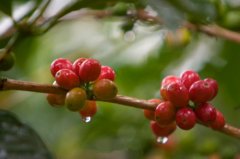
High-quality coffee, coffee, common sense, production of coffee beans.
Coffee in the ancient Middle East, like the legend of 1001 nights, like a veiled girl with a thousand faces, can not only help get close to God, but also wash the spring of sadness. When it comes to coffee, we have to mention Turkish coffee in the Middle East, because no matter from the perspective of Islam or Christianity, the origin of coffee is in the remote and mysterious Middle East. In the thirteenth to fifteenth centuries, it grew.

Bolivian Coffee Manor introduces the Yongas area northeast of La Paz
Bolivia is 1/3 of the Andean mountains, rugged terrain, mainly road transport, accounting for more than 85% of transportation. The main railway and road networks are concentrated in the west, and remote areas rely on air communication. But road coverage is the lowest in South America. And there is also the Ronggas Highway, the world's first insurance road known as the road to death. There is no developed economy here. It is the poorest in South America.

90 + geisha coffee Lixilo W2 geisha coffee characteristics geisha coffee brand
Professional coffee knowledge exchange more coffee bean information please follow the coffee workshop (Wechat official account cafe_style) country: Panama name: 90 + Lixilo W2 producing area: Silla Del Pando, Volcan altitude: 1250-1650m varieties: Geisha grade: L21 90 + Lixilo geisha Geisha W2 Ninety Plus Lycello W2 flavor description: Li

Description and treatment of Coffee Flavor in Sidamotad Manor; introduction to the taste of varieties in producing areas
The Red Cherry Project (Operation Cherry Red), led by the Dutch trading company Trabocca BV and partly funded by the Dutch government, has been a small-scale farm quality improvement project since 2005. The project, which aims to enhance coffee production and quality in remote areas of Ethiopia by providing producer expertise and related technology assistance, has been targeted at present-day West since 2005.
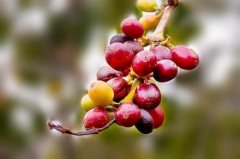
Production and processing of coffee beans treatment of high-quality coffee beans
Coffee in the ancient Middle East, like the legend of 1001 nights, like a veiled girl with a thousand faces, can not only help get close to God, but also wash the spring of sadness. When it comes to coffee, we have to mention Turkish coffee in the Middle East, because no matter from the perspective of Islam or Christianity, the origin of coffee is in the remote and mysterious Middle East. In the thirteenth to fifteenth centuries, it grew.